Managing False Information: Garbage In = Garbage Out? Not Necessarily.
What if someone enters wrong information into RossOps? Won't it just spread bad advice?
Great question: here's a real-world example that shows how RossOps handles this.
Shift 1: A temporary fix
An operator on a pouch filling line notices bags getting jammed downstream. To stop the jam from building up, he hits the emergency stop. It clears the issue. This reoccurs multiple times. He shares this quick fix with RossOps, hoping it'll help the next shift.

Shift 2: A better diagnosis
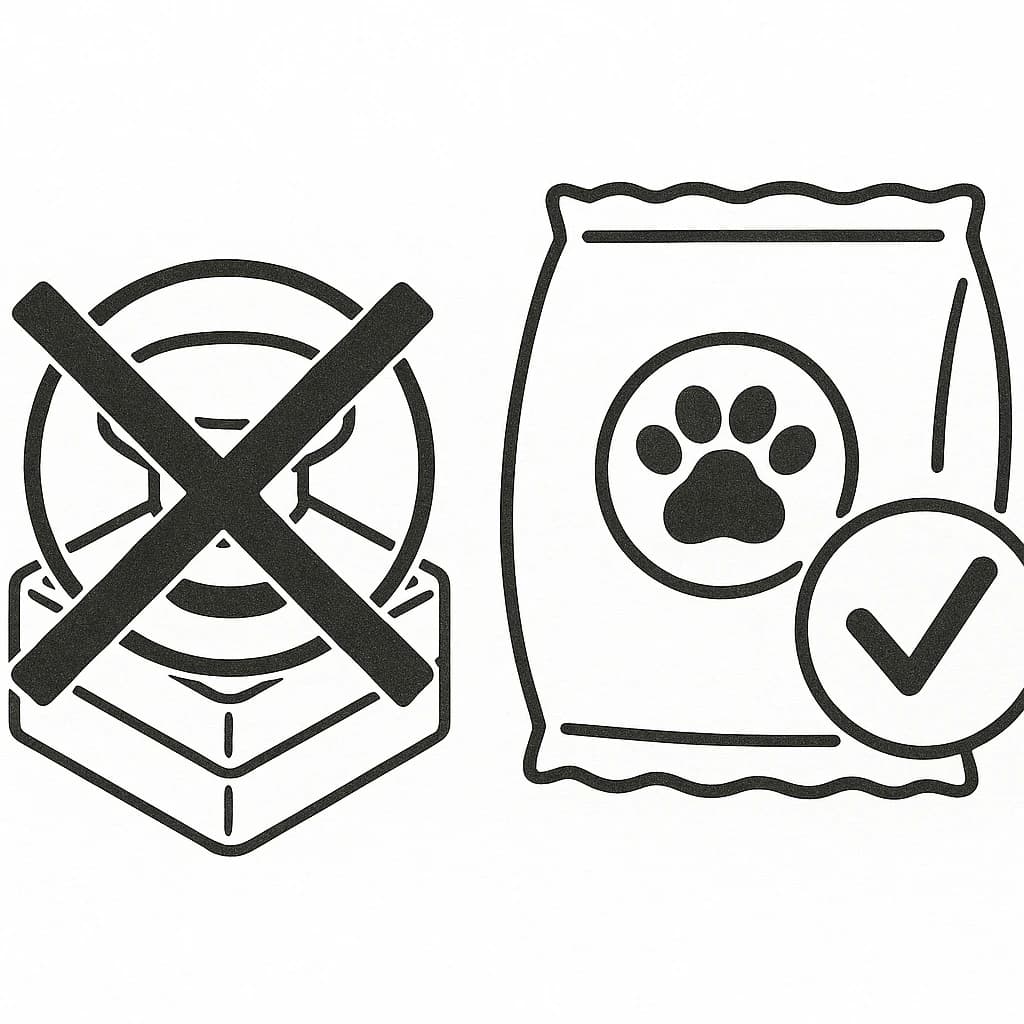
Another operator sees the same issue. RossOps mentions the emergency stop trick. But he knows that using emergency stops too often causes the line to desynchronise. He calls in an engineer. The engineer finds that the bags are too puffy: they're not being deaerated properly. The stop/start trick temporarily restores vacuum, which is why it helps. He updates RossOps: this is a deaeration issue, and emergency stops should be avoided.
Shift 3: The root cause
A third engineer asks RossOps about the filler and jamming issue. RossOps shows both previous entries: the emergency stop workaround and the deaeration insight. This time, the engineer digs deeper and finds the real root cause: the machine is running too fast for the deaeration motor to keep up. He asks RossOps for the expected nominal speed and realises that it's running a few BPMs above the recommended setting. He slows it to nominal speed. Problem solved. He updates RossOps.

Next time?
RossOps now has the full picture:
- It mentions the emergency stop trick as a historical workaround.
- It warns that emergency stops are disruptive and not a recommended fix.
- It recommends checking deaeration and machine speed first, based on what actually resolved the issue.
RossOps doesn't erase "wrong" information. Instead, it builds collective context.
Like a good team member, it remembers everything and helps users make informed decisions, not blind ones. It doesn't give orders; it gives insight.