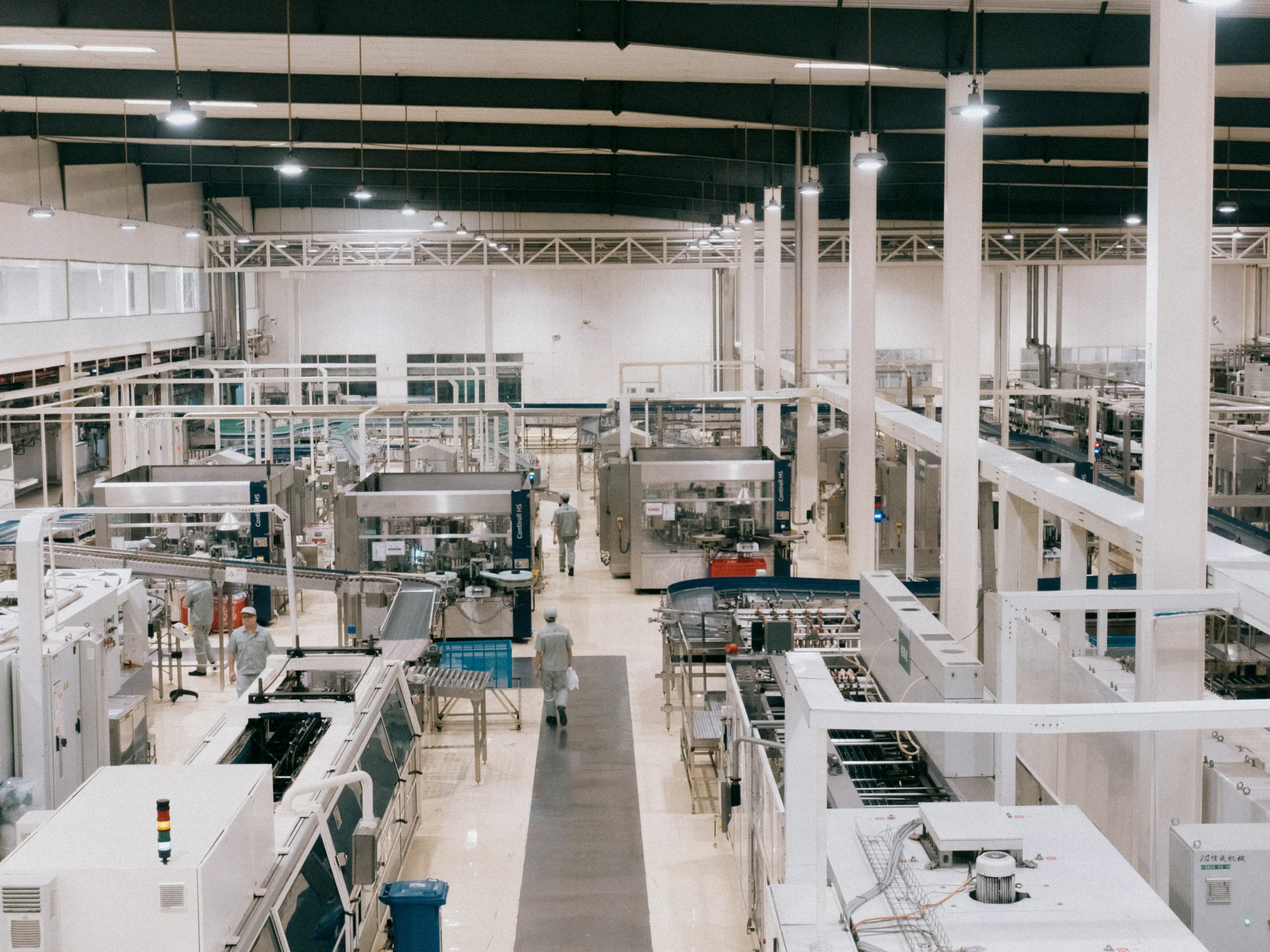
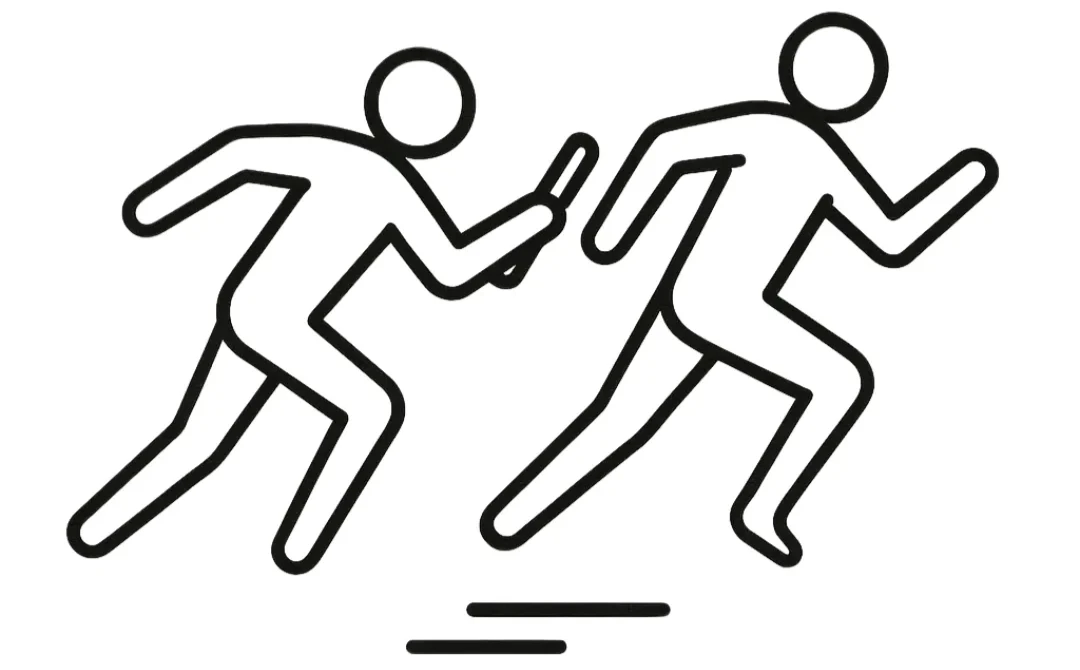
A handover is like passing the baton in a relay race.
It's the crucial moment when one shift hands over responsibility to the next. But in a factory, you're not just passing a stick; you're transferring vital knowledge that keeps everything running smoothly and safely.
The Reality of Factory Handovers Today
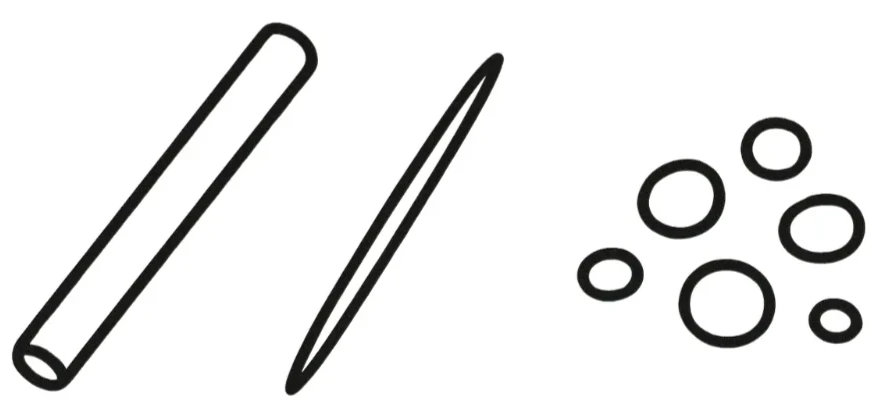
Right now, most engineering shifts pass the baton in a variety of ways, none proven to be significantly better than the others. Some don't even pass it at all. Most start the day with a baton, hand out a stick to the afternoon shift, who eventually pass on a toothpick to the nights. It looks something like this:
- Scribbled notes on a whiteboard that get erased too soon
- Quick WhatsApp messages that get buried in group chats
- Hurried conversations in noisy environments
- Digital handovers that break if you spell palletiser wrong
- Paper logbooks that nobody can find when needed
- Excel logs converted to PDFs and shipped over email, lost in time and space
It's actually more like trying to run a relay race with marbles instead of a baton. At each pass, you lose and gain a few, and at the end of the race, you're no richer in marbles. You've put in the effort, maybe picked up a handful of new marbles, but lost all the originals.
The one thing you did well, though, was run fast. Really fast. Because that's what we're good at in factories: maximising production and avoiding the necessary downtime to improve the state of our processes or machines.
There's Gold To Be Found At Every Shift
Every shift in a factory discovers its own marbles:
- A machine making an unusual sound (like hearing your car develop a new rattle)
- A temporary fix that needs following up (the mechanical equivalent of a sticking plaster)
- A quality issue starting to emerge (those first few instances of poor seals slipping through)
- A successful adjustment that improved performance (the winning formula)
- A mistake that caused a palletiser smash-up (because screw-ups often teach us the most)
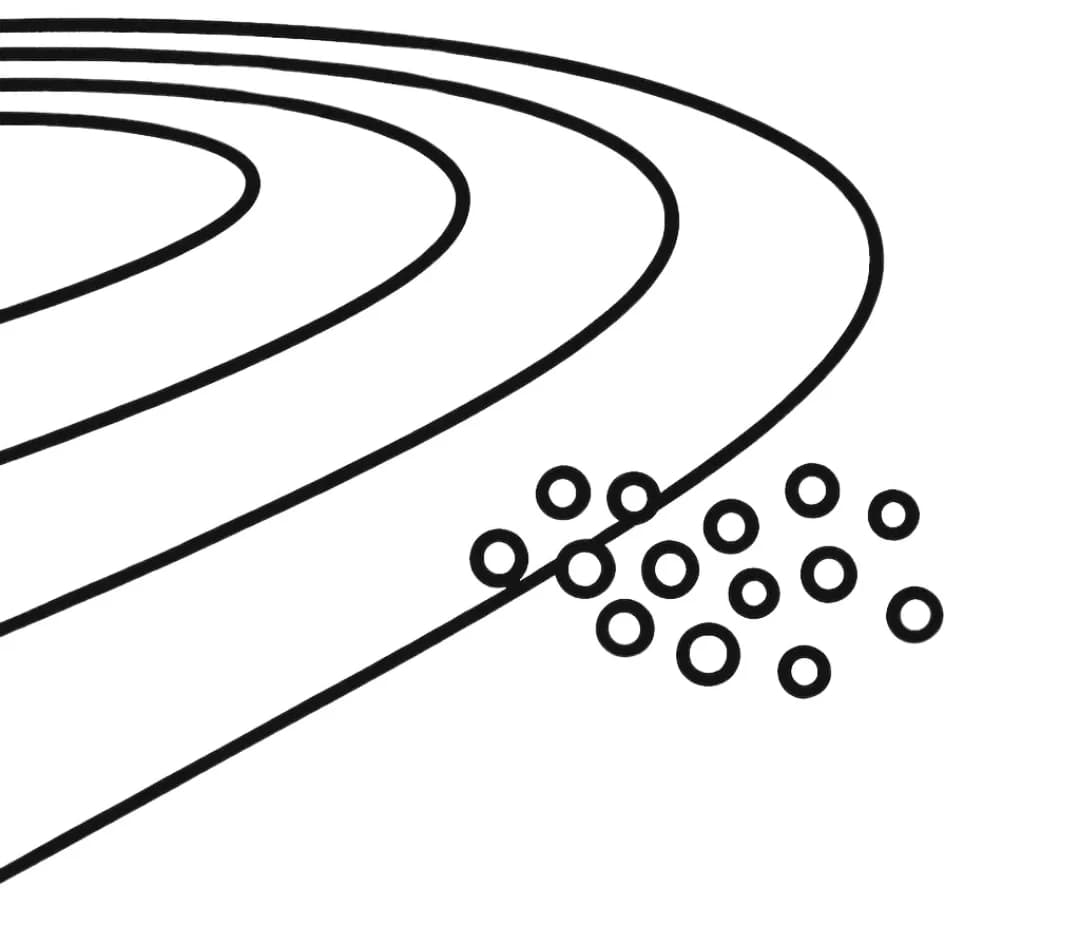
Without a proper handover, some of these marbles never exchange hands; they just scatter across the track. Knowledge, left to die. Then you're left having to solve the same jigsaw every day, even though the picture was nearly complete yesterday.
The Hidden Cost of Dropping the Marbles
When handovers fail, the whole race suffers:
- Teams stumble over the same problems repeatedly
- Time is wasted rediscovering solutions that were already found
- Safety risks multiply when warning signs go undocumented
- Frustration builds as each shift runs its own separate race
But when handovers work well, it's like a perfectly choreographed relay. Each runner (shift) locks hands with the next, passing on the full set of marbles (information) accumulated previously, plus their own fresh collection from today. The whole team moves faster, smoother, and with more confidence. They don't stumble.
What Makes a Good Handover?
A good handover isn't just one person picking up the slack for everyone else. It's a team effort, where each person's actions benefit the next, and the next, and the effect compounds. Eventually, everyone gains; including the ops, managers, contractors and fresh recruits.
It needs to:
- Capture key information clearly and completely
- Ensure nothing important gets missed
- Be easy to find and reference later
- Connect related issues across different shifts
Think of it as your factory's collective memory bank. Each handover is a deposit of valuable knowledge, building up a treasure trove of operational wisdom that helps everyone run a better race, day after day.

The Power of Connected Handovers
Let's keep to that track analogy and spin it slightly.
Think of each shift like a runner on a track. With poor handovers, every shift starts at the same spot on a 400m loop. No matter how fast they run or how hard they work, they're always covering the same ground. The factory doesn't move forward; it's just running in circles.
But when handovers are done right, something magical happens. Instead of running in circles, each shift picks up exactly where the last one left off. You're now in an ultramarathon, where each team adds their 400m to the total distance. Every step forward counts. Every lesson learned, good or bad, becomes part of the journey, permanently embedded in the factory's collective knowledge.

And the potential only grows when you connect multiple sites. Instead of factories running their own isolated races, progress stacks. Two factories, each having run a half-marathon, suddenly realise they've completed a full marathon together.
Now imagine a global network of factories, part of the same organisation, each building on the last's knowledge, lessons and improvements. Suddenly, you're not just running marathons; you're circling the entire planet.
Thus is the true power of proper handovers: every shift's contribution becomes a permanent step forward for the entire organisation.