Why A Good Handover Matters: Compounding Updates Build Factory Excellence
In manufacturing, crucial knowledge is created every single day. This knowledge is hard-won, but too often, it's lost. Someone leaves, or a shift changes over, and the context disappears with them.
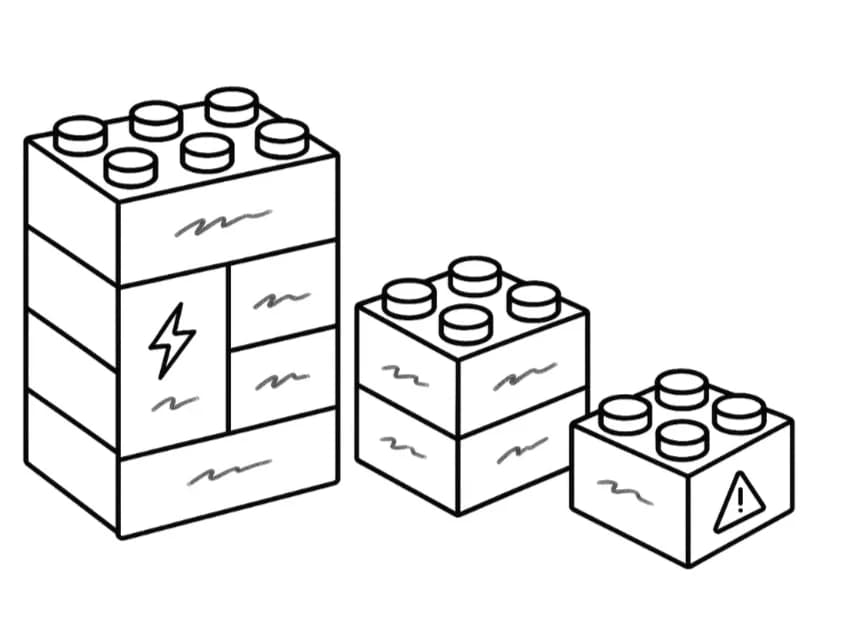
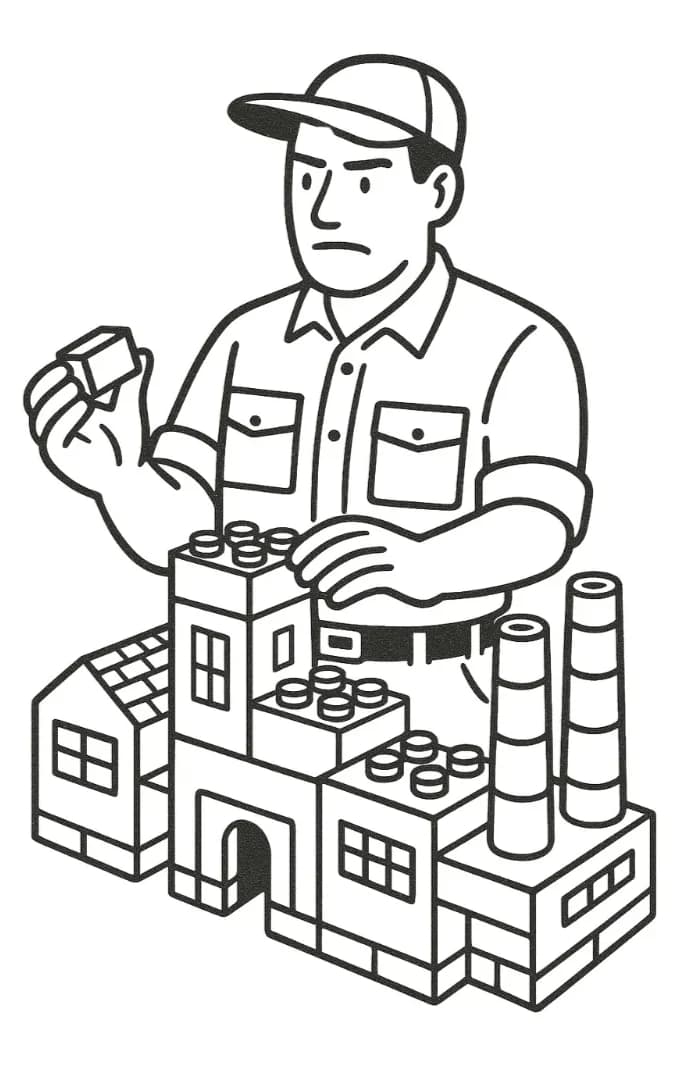
How do we capture it and turn it into something valuable? Let's explain it using LEGO blocks.
1. Individual LEGO Pieces = Daily Updates
Every shift, engineers log small but meaningful updates:
- A new noise from a pump
- A tweak to a lubrication schedule
- An odd trend spotted in a sensor reading
- A temporary fix that needs revisiting
- A learning from an OEM phone call
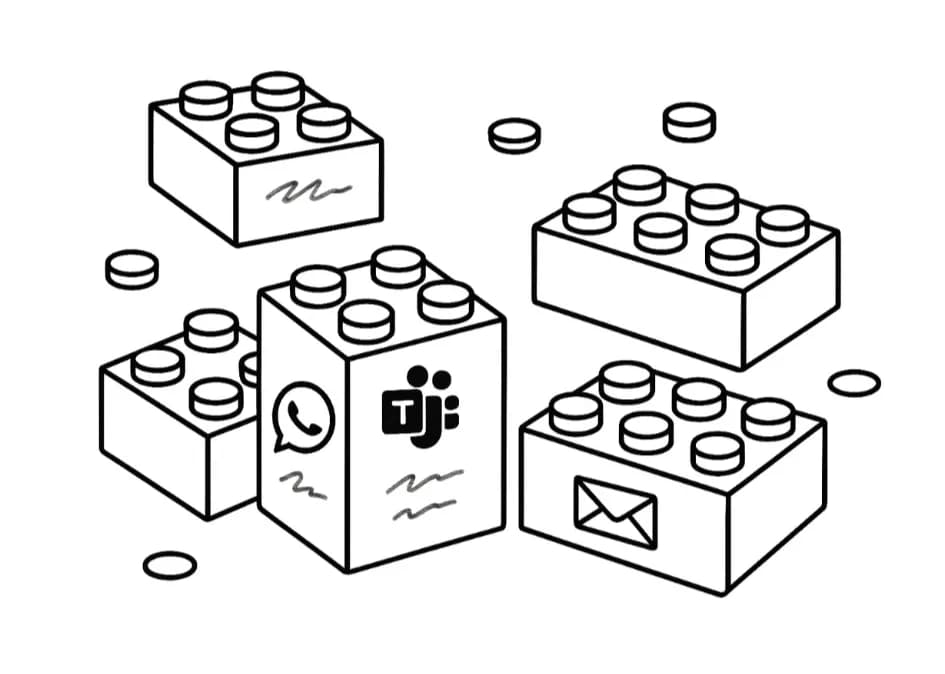
Each of these is like a single LEGO brick. On its own, it might not seem like much, but it's a piece of a much bigger structure. These come from everywhere:
- WhatsApp messages from peers and managers
- Email reports from contractors and OEMs
- Direct observations uploaded to RossOps
Each piece, no matter how small, contains valuable information about a factory's operations.
2. LEGO Blocks = Event Cases
When similar updates are grouped, they form event cases (larger, compound LEGO blocks made of smaller ones):
- A breakdown event composed of five separate updates
- A recurring issue that spans three shifts
- A safety insight built from observations across a week
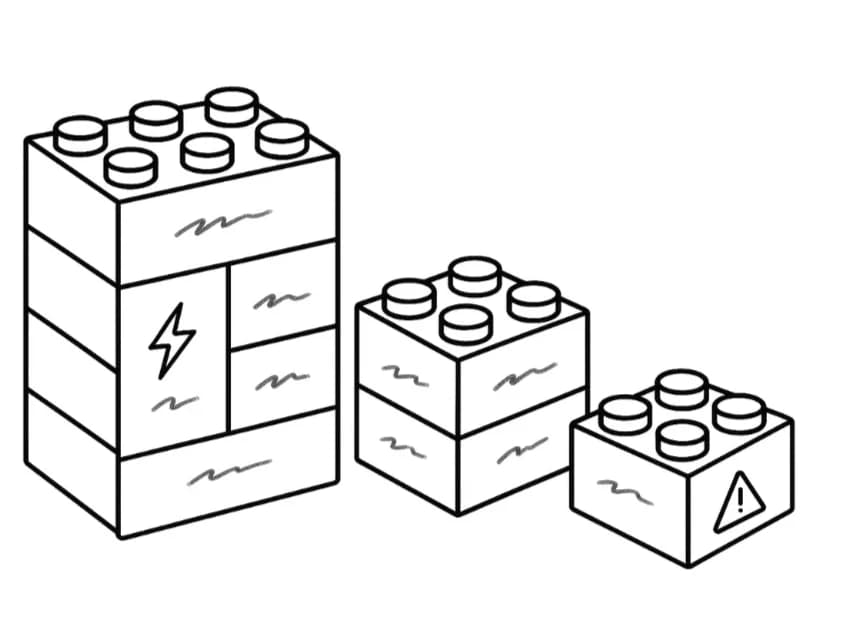
This aggregation is where real understanding begins to form. Patterns emerge. Causes are linked to effects. Solutions are stored and shared.
3. Stacked Blocks = Building the Factory Knowledge Base
With every handover, these blocks stack into something larger: a living, breathing knowledge base. Over time, the factory essentially builds a digital twin of its own operating experience, layer by layer, shift by shift.
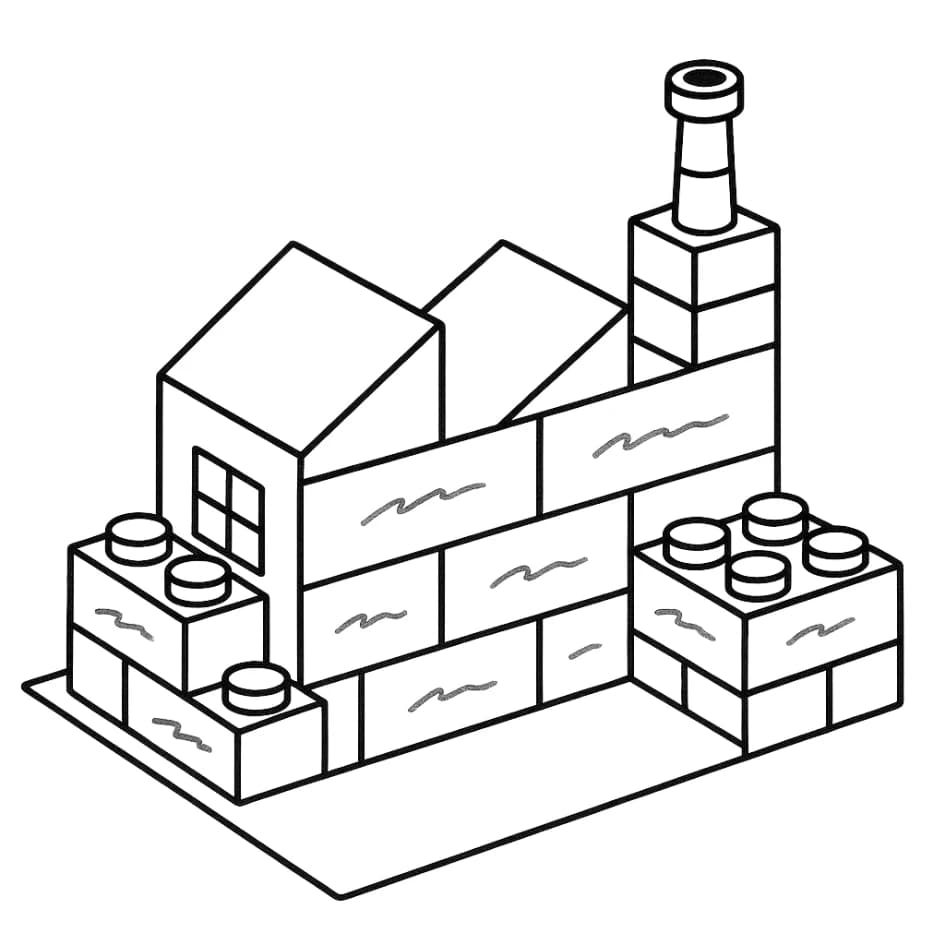
The result? A structure that supports:
- Faster issue resolution
- Reduced downtime
- Increased output
- Better onboarding and training
- Cross-shift consistency
- A culture of continuous improvement
It's not just about storing information: it's about constructing a shared memory of how the factory really runs.
4. Structural Integrity = Resilience
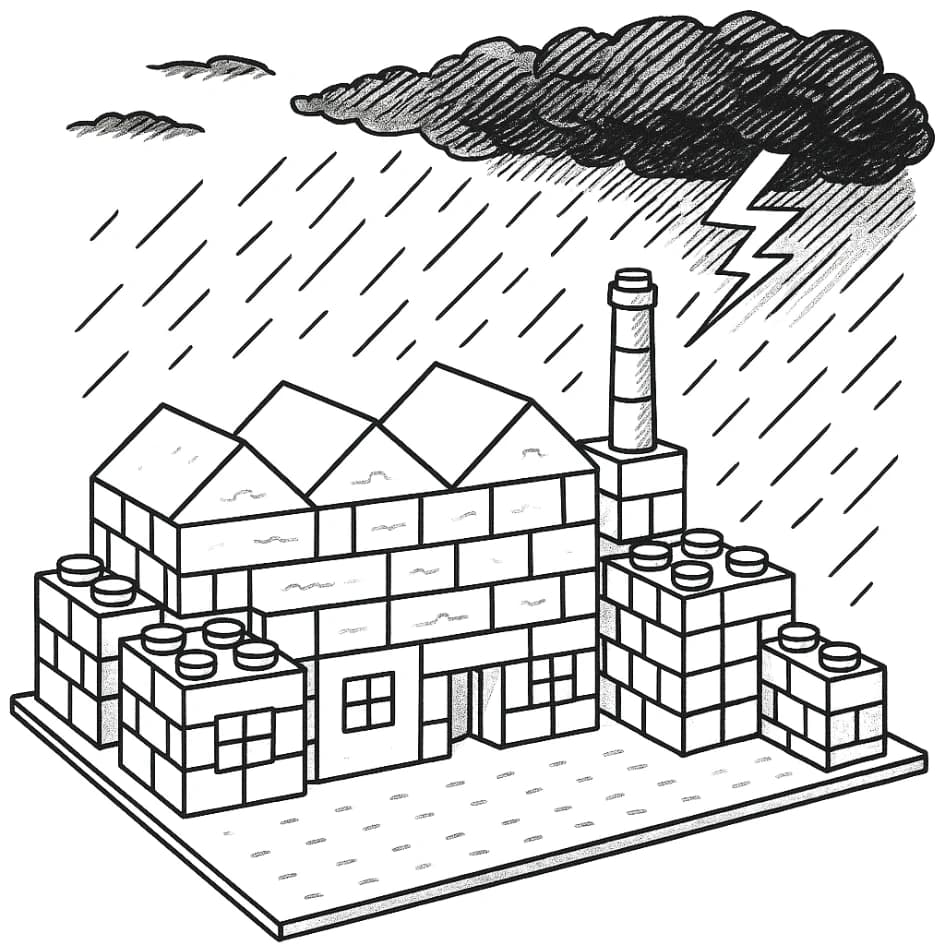
In LEGO, weak foundations lead to wobbly towers. The same goes for factory knowledge.
Without structured, consistent handovers, your operations are vulnerable. But with a solid base of updates and cases, your "knowledge tower" stands strong, resilient even when key team members are away or when new staff come onboard. Everyone gets the same picture. No one starts from scratch.
5. Growth = Compounding Capability
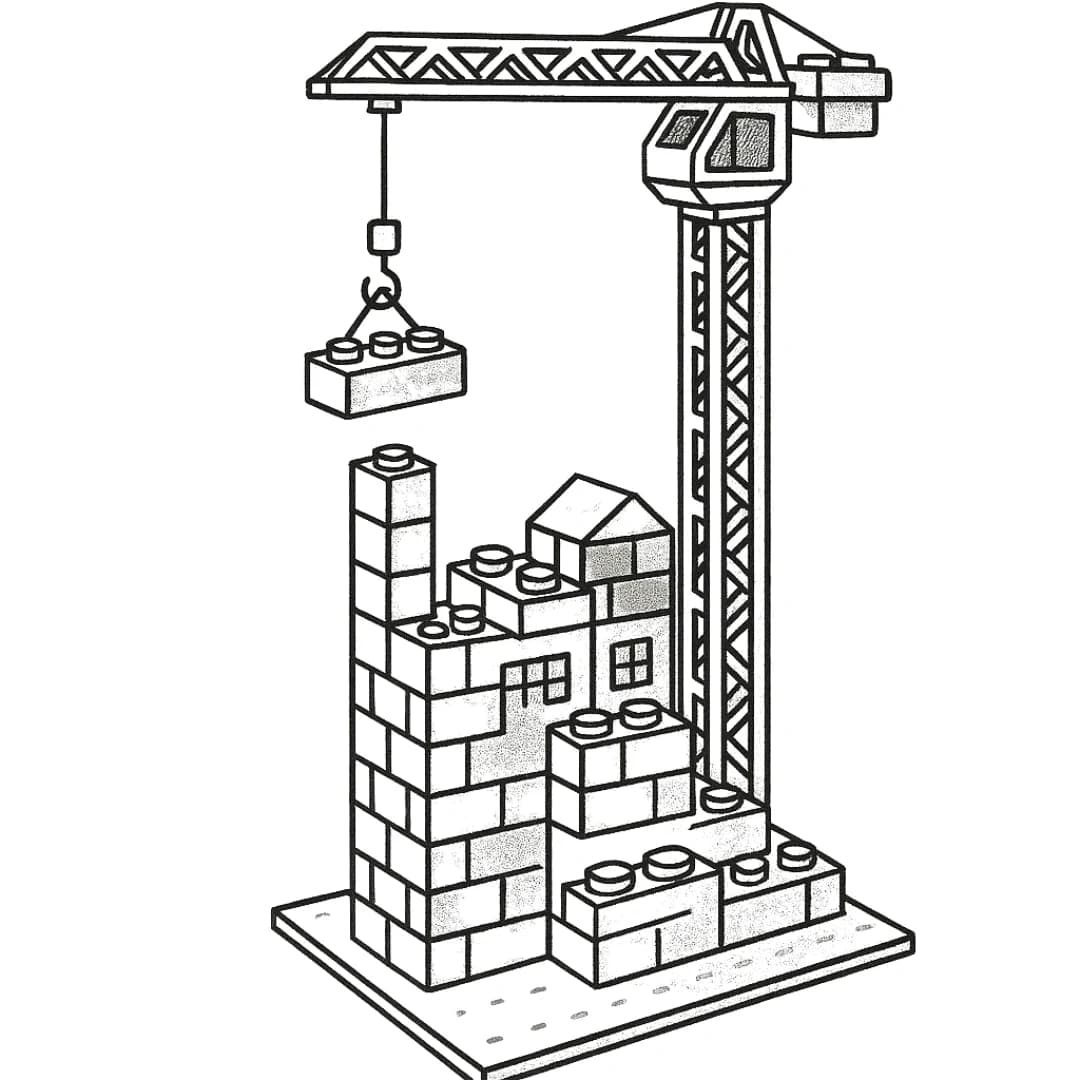
The beauty of LEGO is that you can always keep building. Every new brick adds value.
The same applies to RossOps: each update you log, each case you group, strengthens your operational clarity. The more you use it, the smarter and more capable your team becomes.
6. Building Bridges Through OEMs = Connecting Factories
Now imagine that each factory isn't building in isolation.
Each update in RossOps is a LEGO brick coloured by the machine, system, or vendor it relates to. Over time, you start to see patterns: clusters of the same coloured bricks forming around specific pieces of equipment.
As more factories use RossOps, these coloured clusters begin to appear in other sites too. And then something powerful happens: you can start building bridges, connecting the same-coloured bricks across different factories, linking knowledge from one team to another.
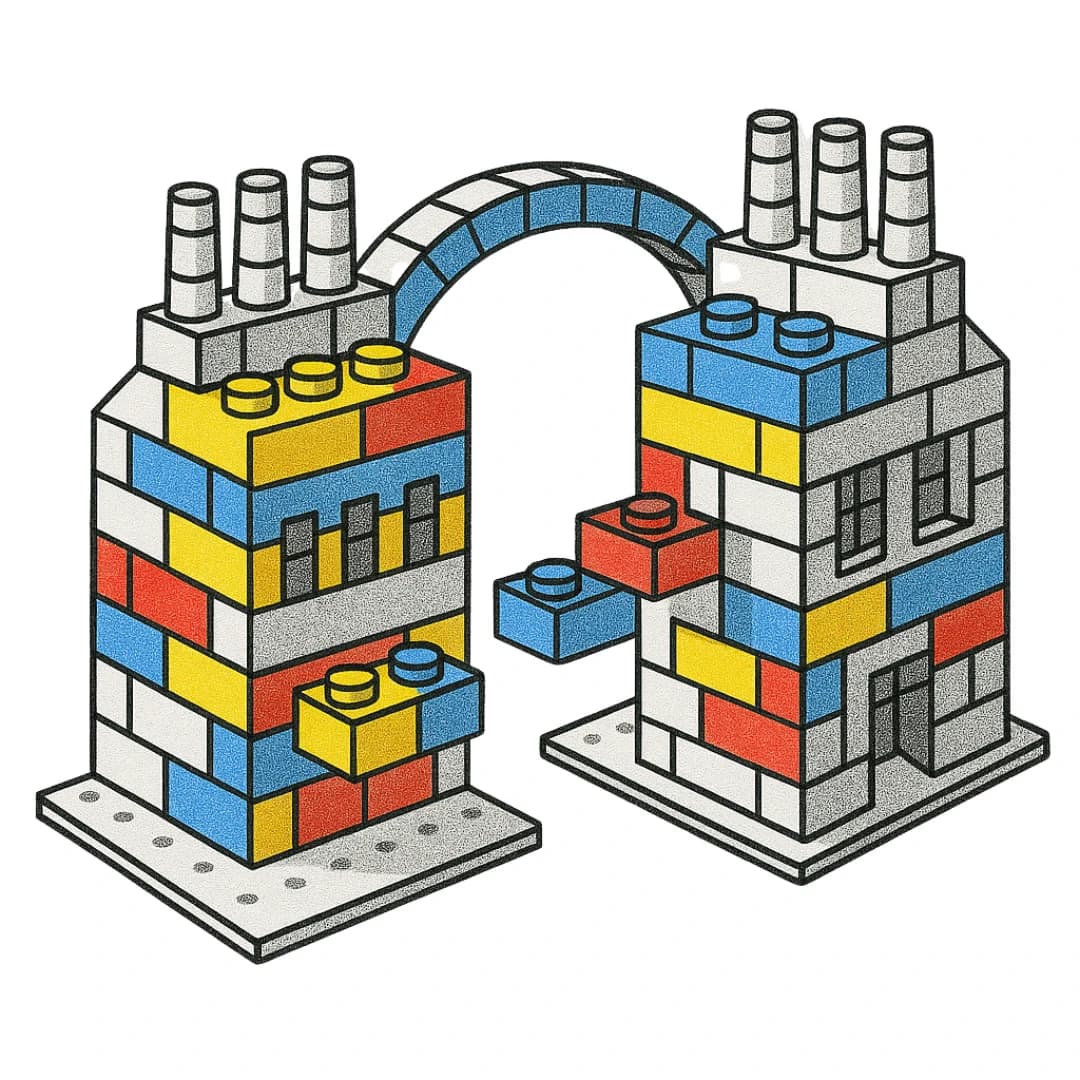
That's how RossOps evolves from a single-factory tool into a networked knowledge platform. Factories with the same equipment can benefit from each other's experience: troubleshooting faster, sharing fixes, and spotting issues before they spread. OEMs gain insight into how their machines perform across different environments and can offer more reliable support service.
This is more than just internal alignment. It's an ecosystem.
Why the RossOps Handover Works
RossOps doesn't try to do everything: dashboards, diagnostics, assistants, scheduling. It does one thing exceptionally well: capture what's actually happening, as it happens, without changing how people work.
- Real-time logging: No more lost context or repeated explanations
- Structured events: Updates are grouped automatically, so trends and root causes are clear
- Searchable forever: Once it's logged, it's never forgotten
Whether you're on the shop floor, by the line, or heading home, updates can be captured in seconds, with structure built-in from the start. That's only possible today thanks to advances in AI and our deep understanding of how engineers actually work.
AI that connects the dots
Behind the scenes, the RossOps AI does the heavy lifting:
- Links updates to the right machines, departments, and locations
- Builds event cases that tell the full story across time and shifts
- Surfaces patterns that help teams act faster and smarter
This LEGO-like approach transforms scattered updates into a solid foundation for operational excellence. It's not just about collecting data: it's about building something greater than the sum of its parts.